Growing older comes with changes that can affect daily routines, health needs, and social life. Many seniors find that living alone becomes harder over time, not only because of physical limitations but also because of loneliness and reduced engagement. Community living offers an alternative that supports independence while adding structure, safety, and companionship. When designed well, senior communities help older adults maintain dignity, stay active, and feel connected, which can positively influence both health and overall well-being.
Reducing Loneliness With Real Social Connection
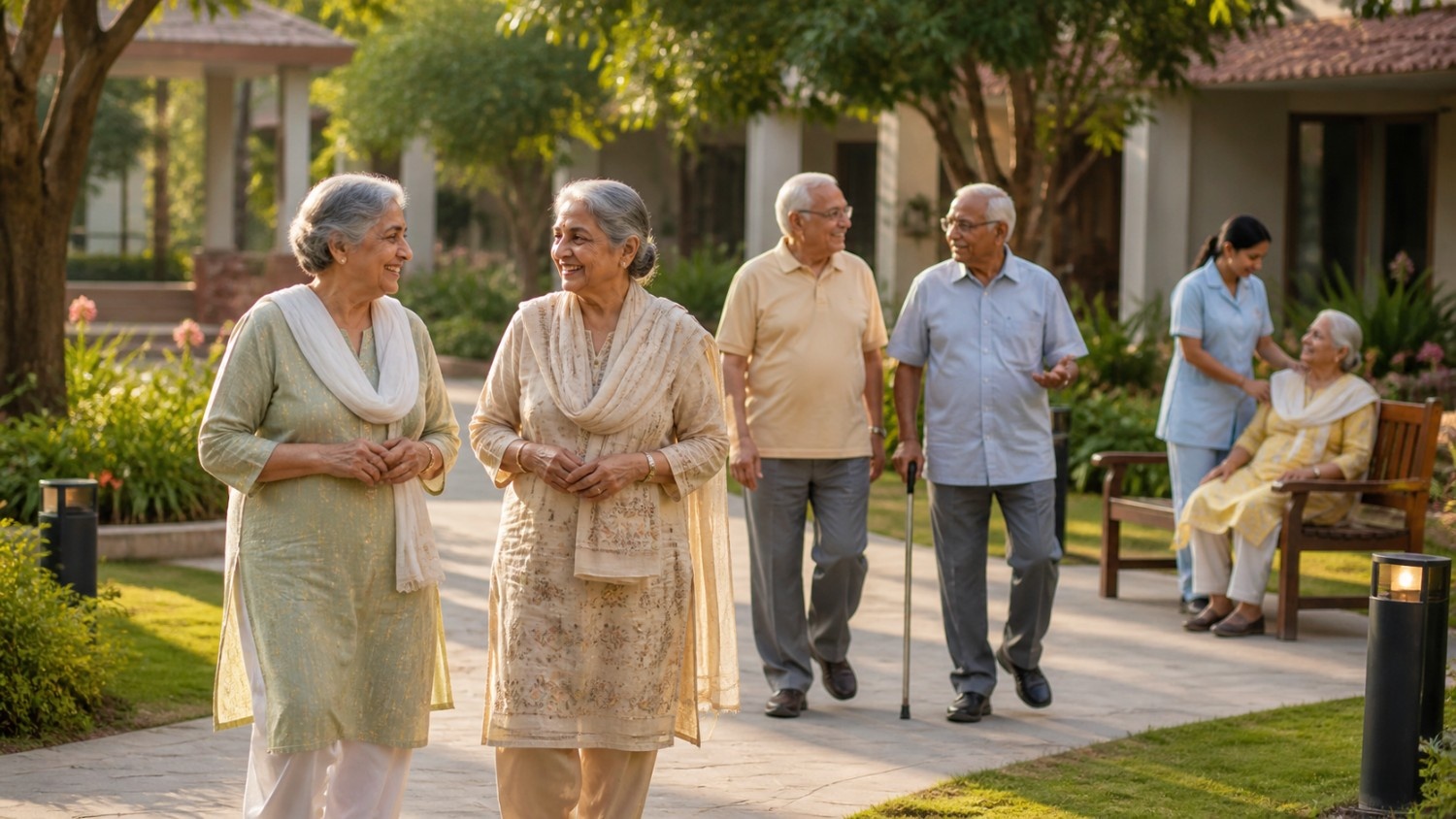
Loneliness is more than an unpleasant feeling. It can influence sleep, mood, appetite, and motivation to stay active. In community living, casual daily interactions happen naturally. Shared meals, common areas, group activities, and neighborly check-ins help seniors feel seen and included. This kind of regular connection can be especially important after retirement, the loss of a spouse, or when adult children live far away. Over time, friendships and routines form, creating emotional stability and a sense of belonging.
Better Support Through Daily Structure and Care Access
One of the biggest benefits of community living is having support close by. Many communities offer assistance with medication reminders, mobility support, housekeeping, and access to nursing or on-call care, depending on the setting. This helps seniors stay consistent with health routines and reduces the risk of small issues becoming emergencies. Families also gain peace of mind knowing there is a system around their loved one. For those comparing options in India, Kamdhenu Retreat old age homes may come up as part of the search for community-based senior living that combines day-to-day support with a more connected lifestyle.
Improved Nutrition Through Shared Dining
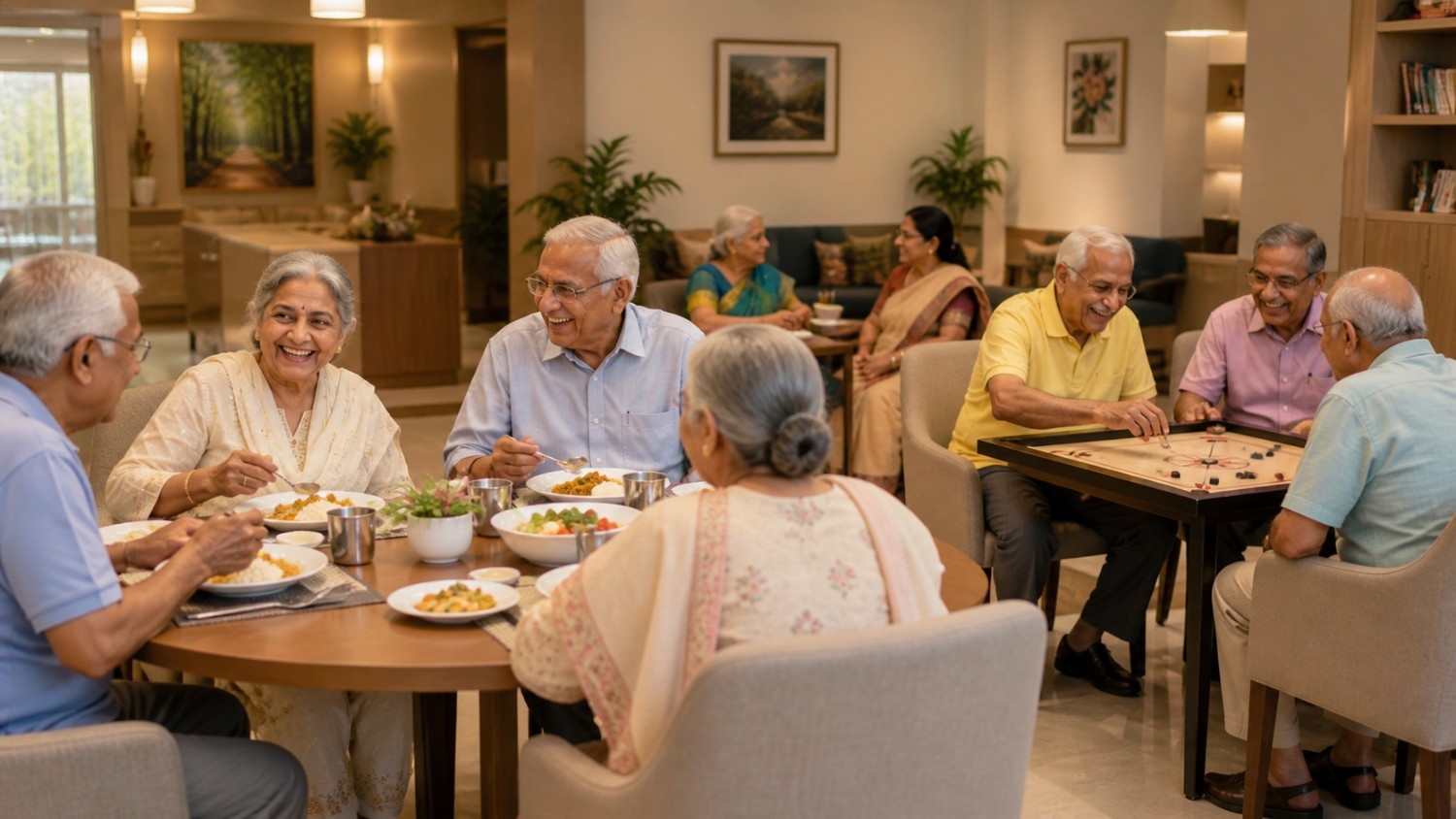
Eating well becomes easier when meals are planned, prepared, and served in a supportive environment. Seniors who live alone may skip meals or rely on processed foods due to low energy, limited mobility, or lack of motivation to cook. Community dining encourages regular mealtimes and provides balanced options. It also turns meals into social events, which can improve appetite and mood. Many communities can accommodate dietary needs such as diabetes-friendly meals, low-sodium plans, or softer foods for dental challenges.
Encouraging Movement and Physical Activity
Staying active is essential for strength, balance, heart health, and independence. Community living can make one feel safer and more at ease. Many senior communities offer walking paths, light exercise classes, yoga, physiotherapy support, and group activities like dance or stretching, highlighting the benefits of outdoor activities for elderly individuals. Even simple routines such as walking to the dining hall or joining a morning group session add natural movement to the day. This steady activity can reduce fall risk, support mobility, and help manage chronic conditions.
Mental Stimulation Through Activities and Learning
Cognitive health benefits from engagement and variety. Community living often provides activities that keep the mind active, such as games, music, reading circles, crafts, gardening, and cultural events. Some communities organize talks, language sessions, or technology help classes that encourage learning. Mental stimulation paired with social interaction can support memory, focus, and emotional resilience. It also brings joy and purpose, which are important for quality of life in later years.
Safer Environments That Reduce Health Risks
Safety is a major factor in senior well-being. Once comfortable, homes can become risky due to stairs, slippery bathrooms, and limited emergency support. Senior communities are typically designed with accessibility in mind, including handrails, ramps, emergency call systems, and staff availability. This can reduce falls and ensure quicker response if something happens. Feeling safe also lowers stress, which can help with sleep and overall health.
Emotional Well-being Through Purpose and Belonging
Health is not only physical. Emotional wellness improves when seniors feel valued and involved. Community living can provide opportunities for volunteering within the community, mentoring, leading small groups, or helping organize events. These roles give seniors purpose and strengthen identity beyond medical needs. When older adults feel they still contribute, it can reduce feelings of depression and helplessness, supporting a more positive outlook on aging.
Relief for Families and Stronger Relationships
When families provide care alone, stress can build quickly, especially when work, children, and distance are involved. Community living can reduce caregiver strain by sharing responsibility with trained staff and a supportive environment. This often improves family relationships because visits become more about connection than constant problem-solving. Families can focus on quality time, celebrations, and meaningful conversations rather than only logistics and health management.
Conclusion
Community living can improve health and well-being in old age by combining social connection, safety, structure, and access to support. Regular interaction reduces loneliness, shared routines strengthen healthy habits, and activities keep both body and mind engaged. The best communities also protect dignity by encouraging independence while offering help when needed. For many seniors and families, choosing community living is not about giving up freedom. It is about gaining a supportive environment that makes aging healthier, safer, and more fulfilling.